Technology
The material
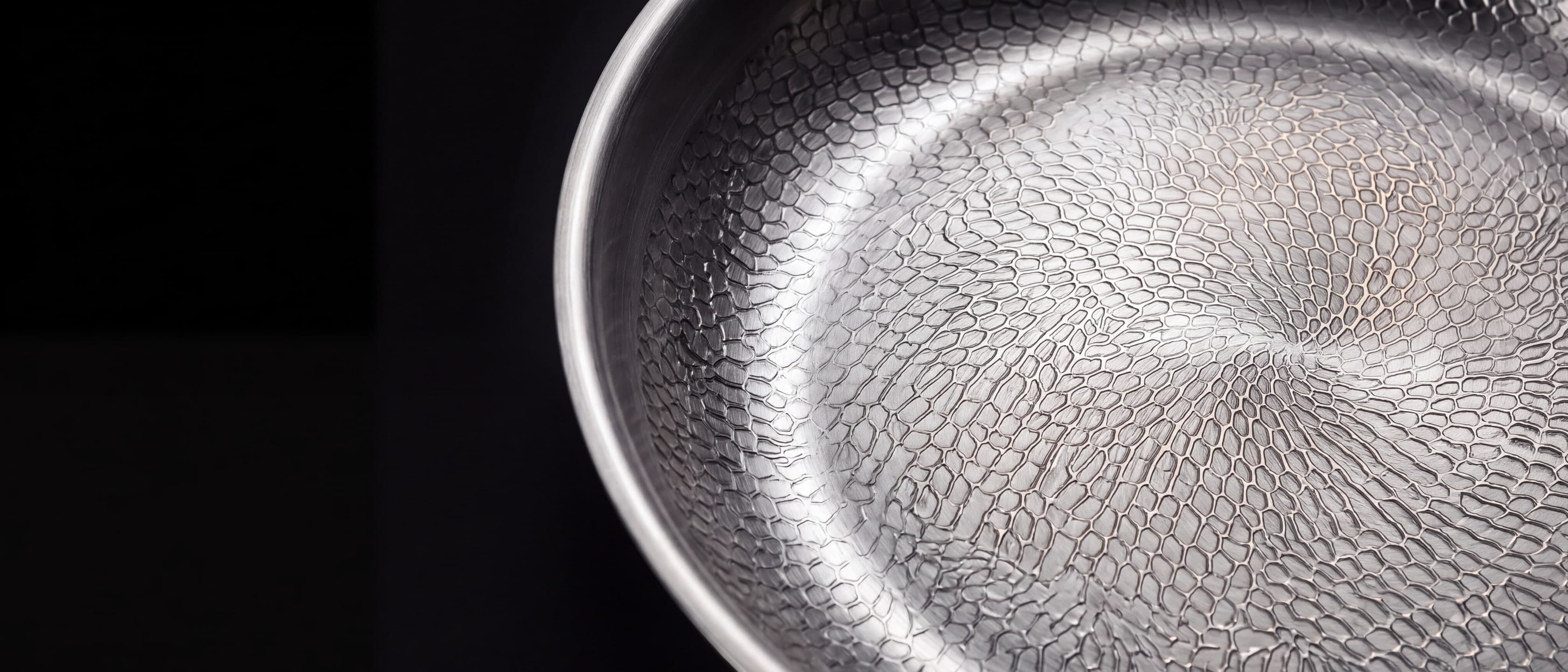
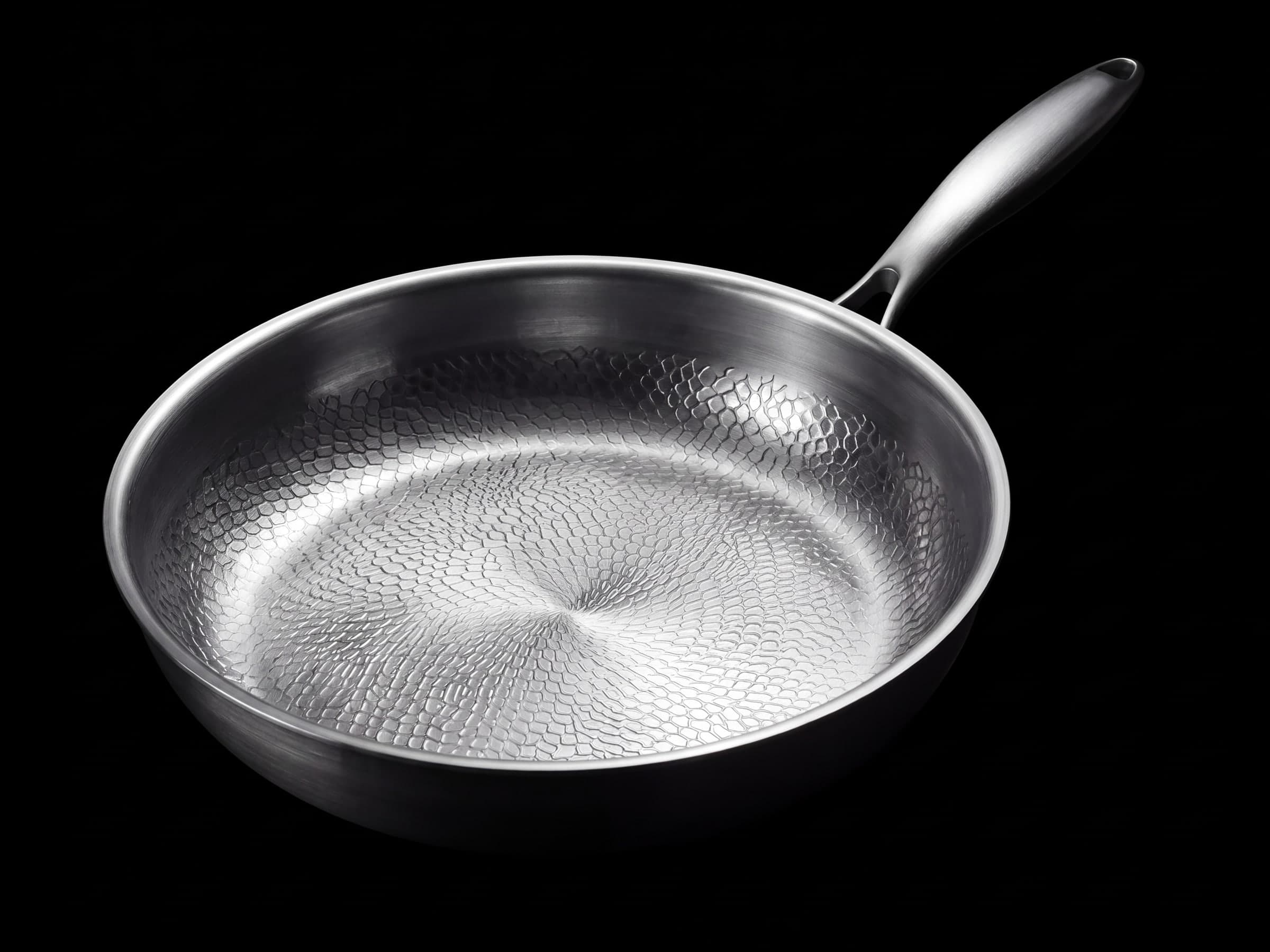
Pure titanium frying pans with a hammered finish and no added coating. Designed as industrial objects, documented honestly.
Why KAJI?
No coating. Nothing to peel into your food.
KAJI titanium vs. the non-stick pan you probably cook with today.
| KAJI | Ordinary non-stick pans |
|---|---|
| Cooking surface | |
| KAJI: Bare titanium. Nothing is sprayed on top. | Ordinary non-stick pans: A thin non-stick layer sprayed onto aluminium. |
| Peeling | |
| KAJI: No coating, so nothing can peel off into your food. | Ordinary non-stick pans: The coating chips and flakes after months of use. |
| Scratches | |
| KAJI: Titanium all the way through. A scratch is still titanium. | Ordinary non-stick pans: A scratch cuts through the coating to the metal below. |
| What touches your food | |
| KAJI: Only titanium. | Ordinary non-stick pans: A synthetic coating that wears down with heat and time. |
| Lifespan | |
| KAJI: Nothing to wear out. Made to stay in your kitchen for years. | Ordinary non-stick pans: The non-stick effect fades and the pan ends up in the bin. |
No coating means a little technique: preheat, add fat, let food release. Cooking guide
A closer look
Every detail has a purpose.
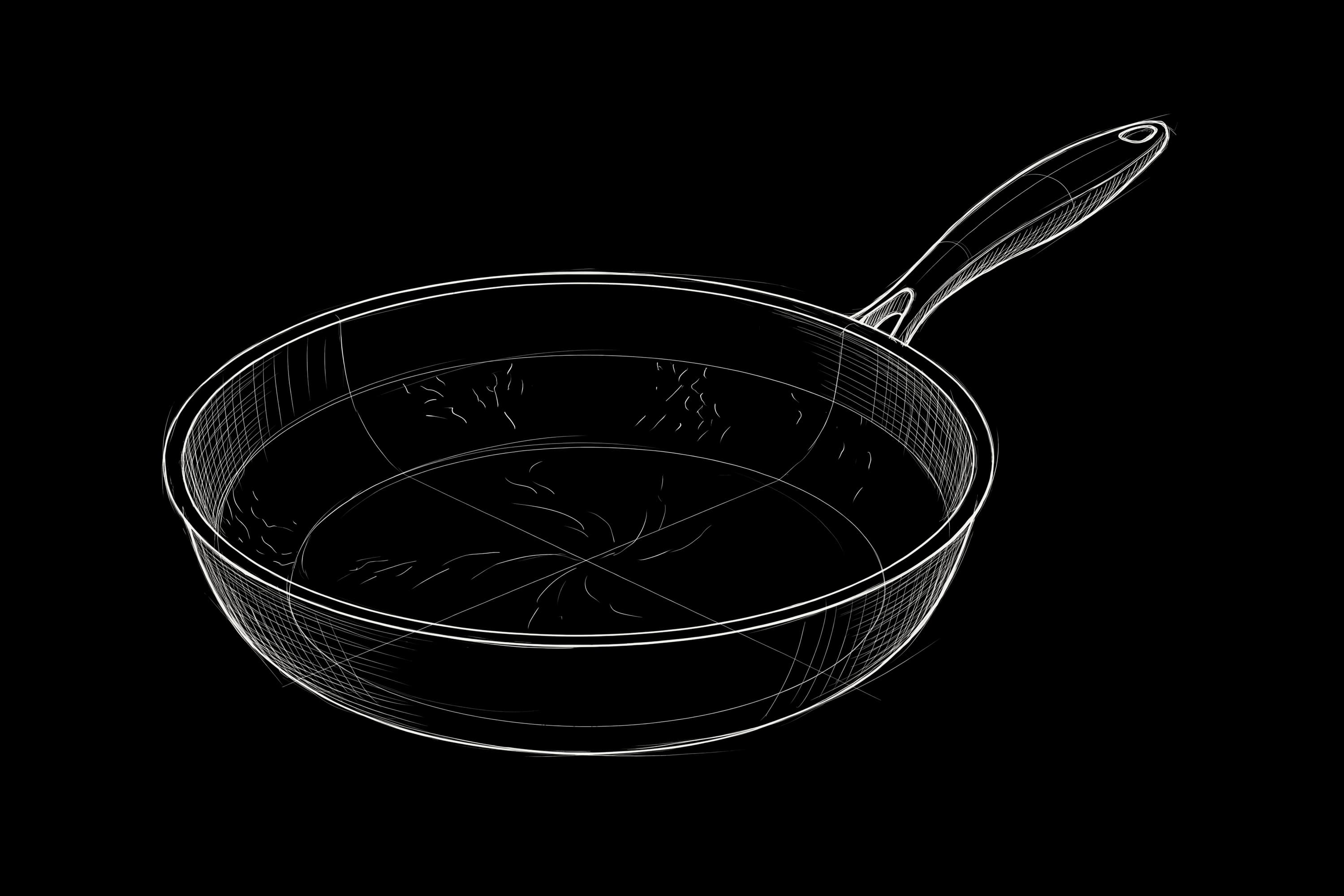
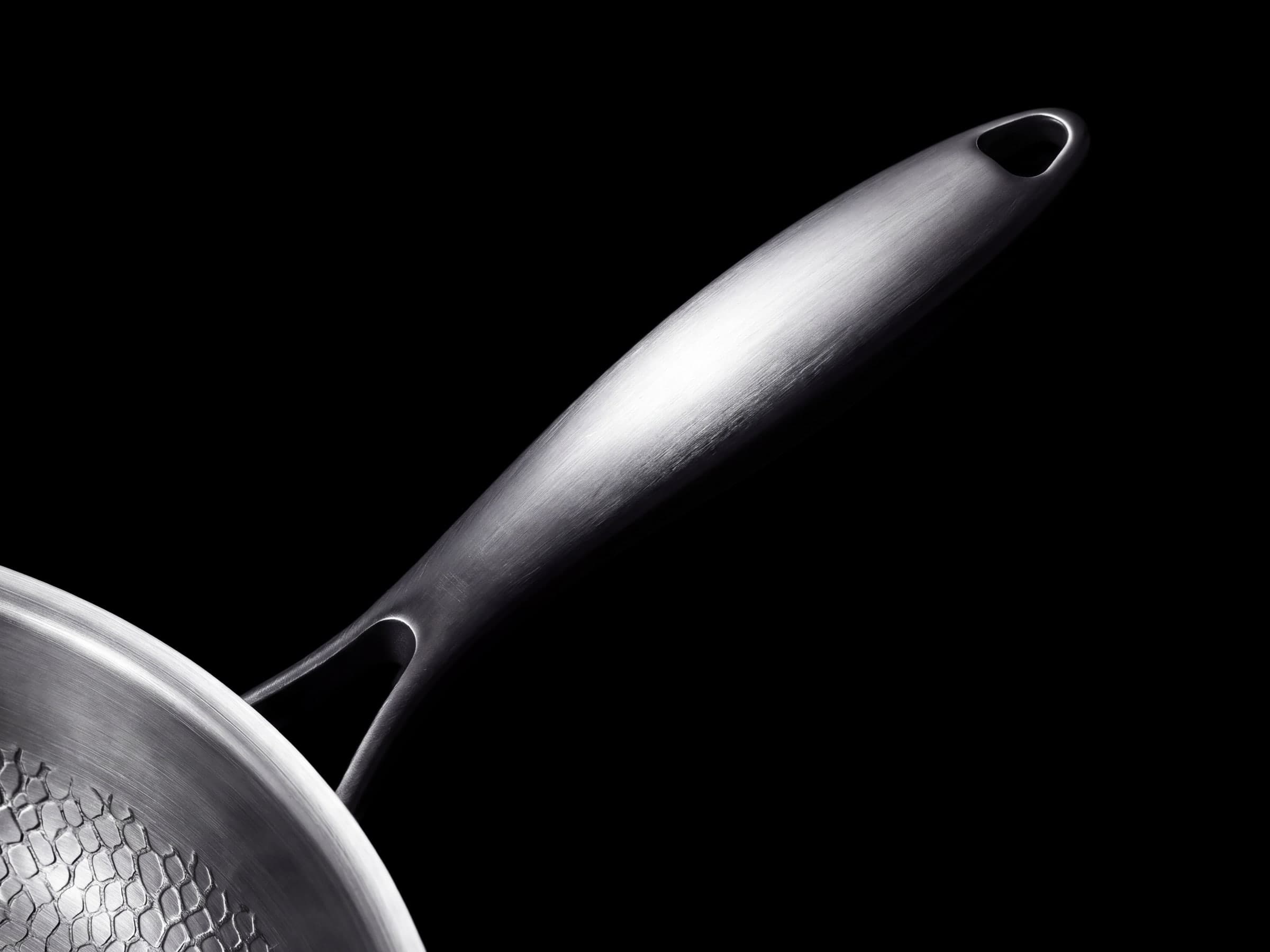
Surface, handle, profile: what each one tells you about how the pan cooks.
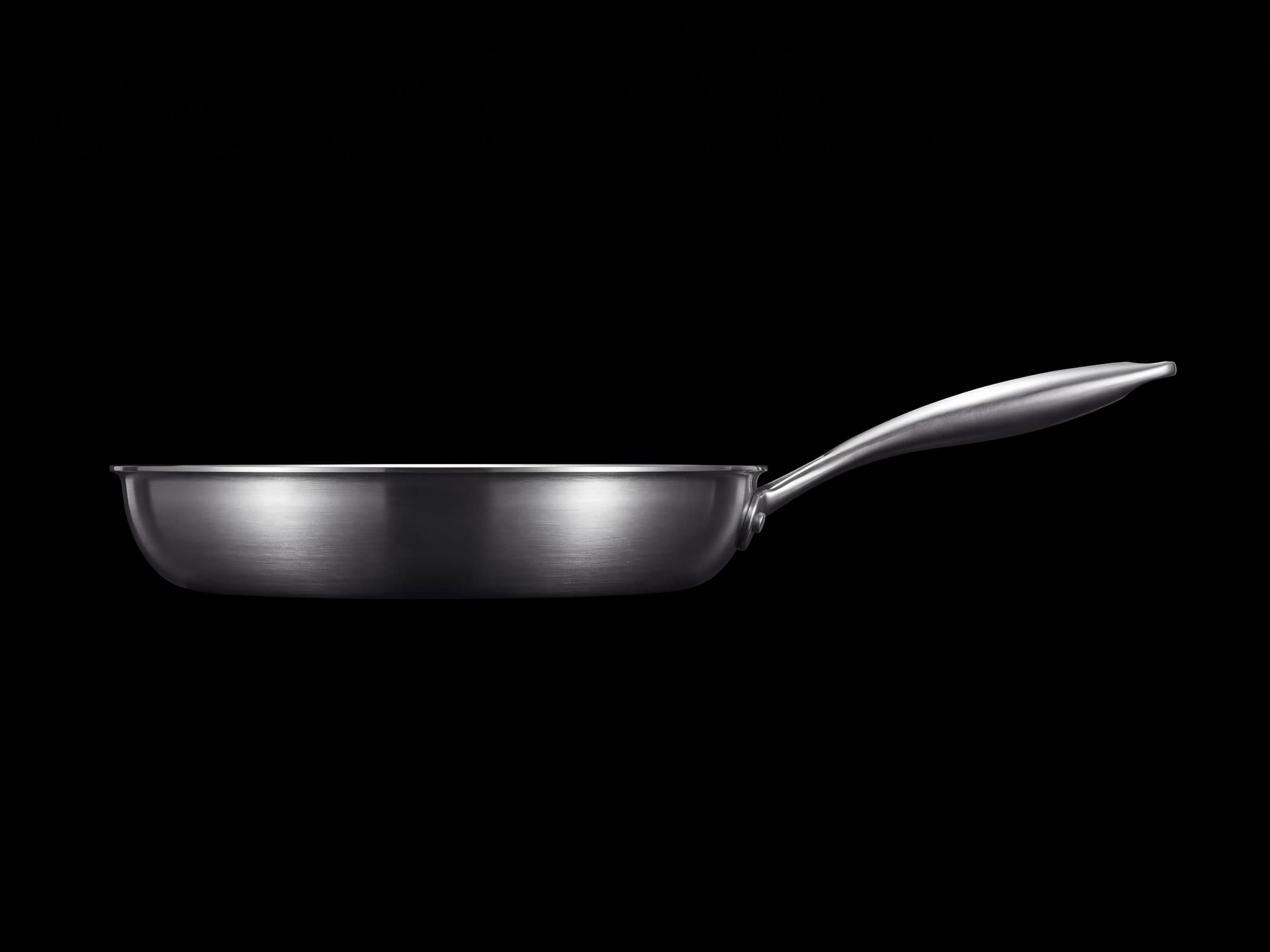
What to observe
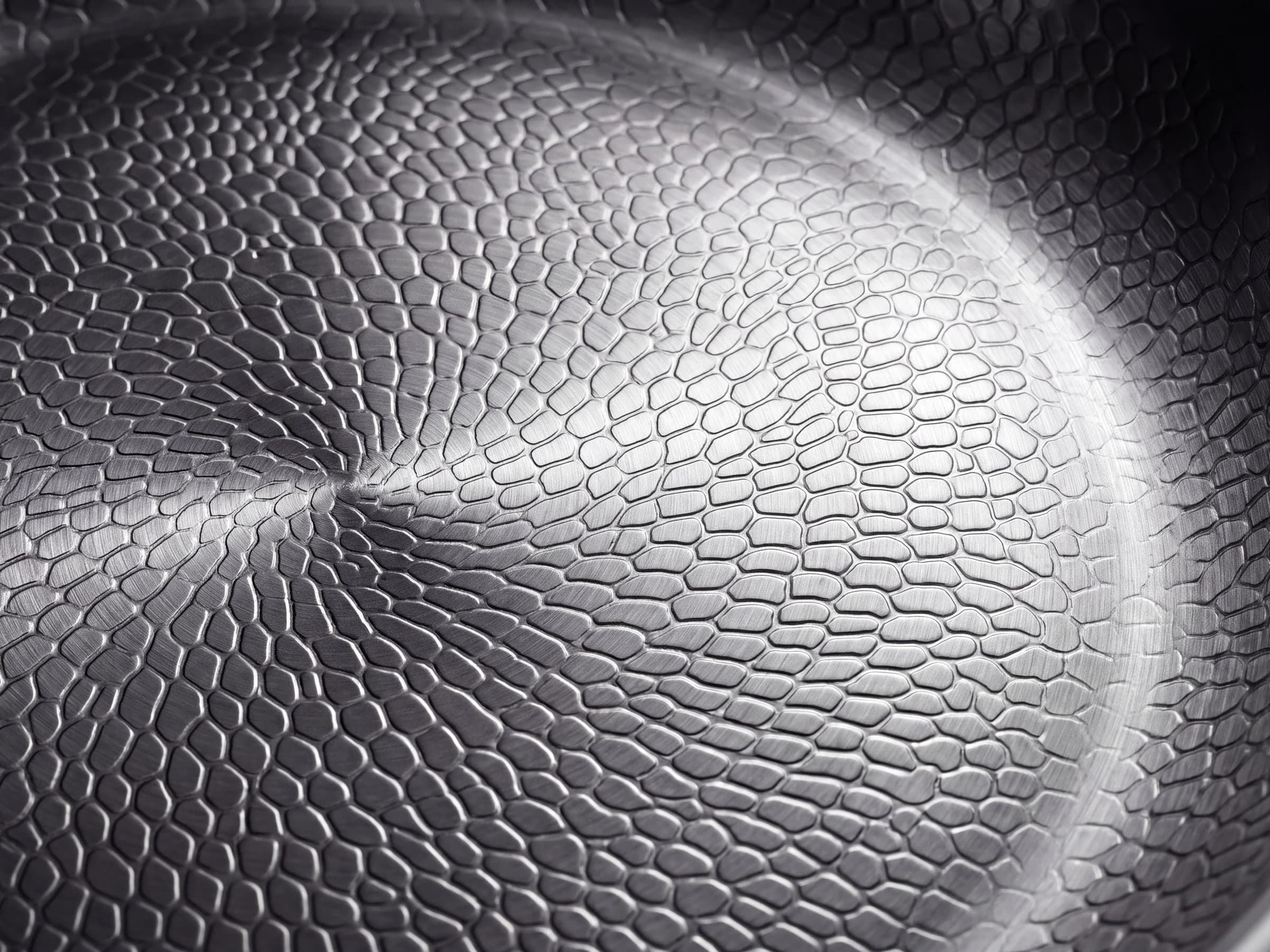
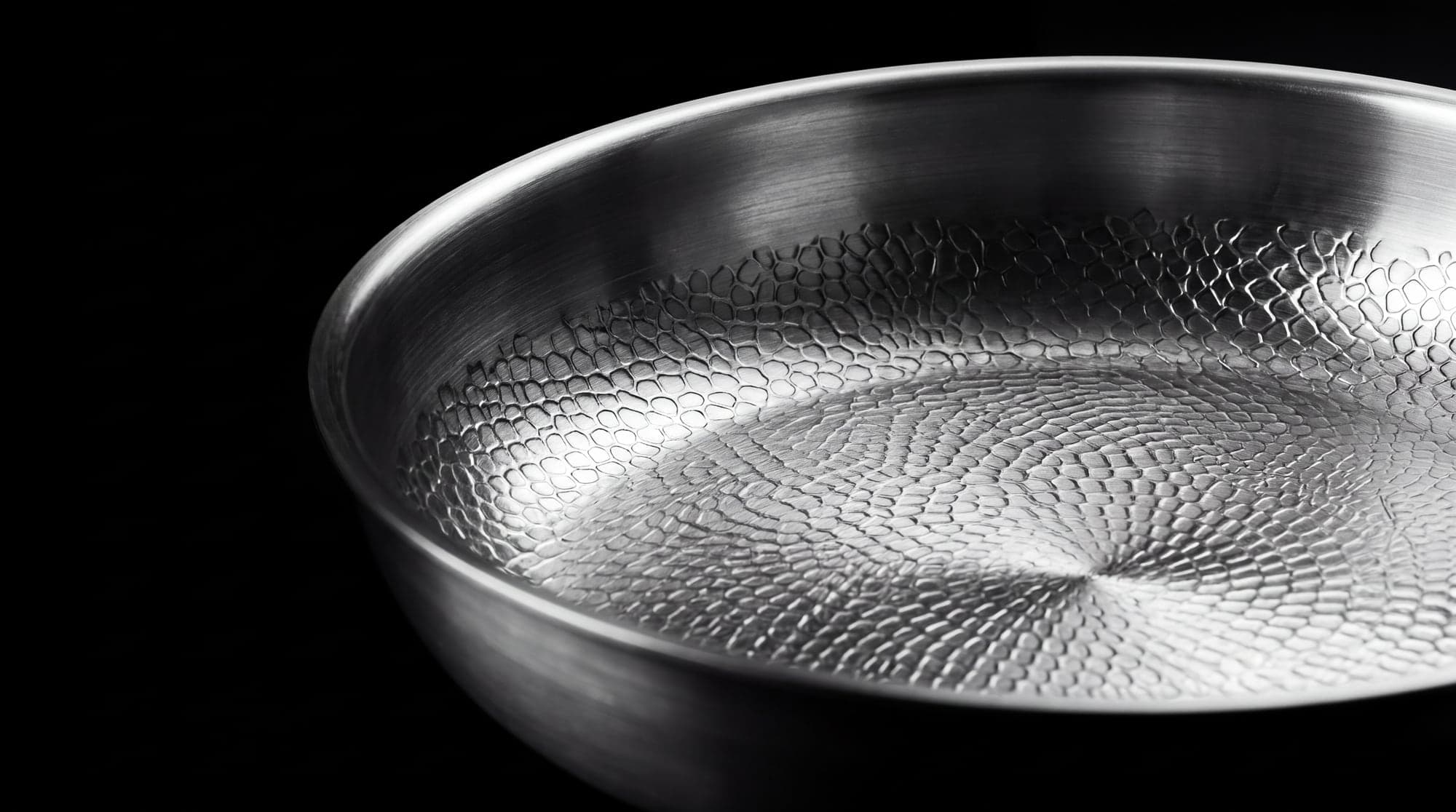
Hammered surface
Look at how side light breaks across the facets. The texture is part of the metal, not a printed pattern or a coating.